How it started
No one expected Mago Hafsa to accomplish much academically.
“I was about 10 years old the first time I ever held a pen or pencil in my life,” explained Mago. That was the first year her family could afford to send her to school. Placed in a classroom with peers who had several years of education, Mago scored at the bottom of her class, and she was ridiculed for her performance at home.
“I dedicated a whole year to learning ‘A, B, C’ and how to write my name,” she said. Under the guidance of her teacher and the supportive aunt who took her in, Mago not only learned to read that year, but went on to develop a passion for literature. “Now, I’m always surrounded by books. Books changed my life.”
Today, Mago, an Acumen fellow, works to bring about the same transformation for other poor and marginalized children as the founder of Read to Learn, a nonprofit based in Uganda. Since its beginnings as a grassroots literacy initiative supported by a single donor, Read to Learn has grown to include nonprofit and for-profit arms and diverse revenue streams. To reach that milestone, the team needed to recognize a gap in the market and bring stakeholders on board to the new vision.
Journey to choosing the model
The journey of Read to Learn began during the COVID-19 pandemic, when Mago noticed that children who attended international schools were able to read and study online, while others lacked access to community based literacy interventions.
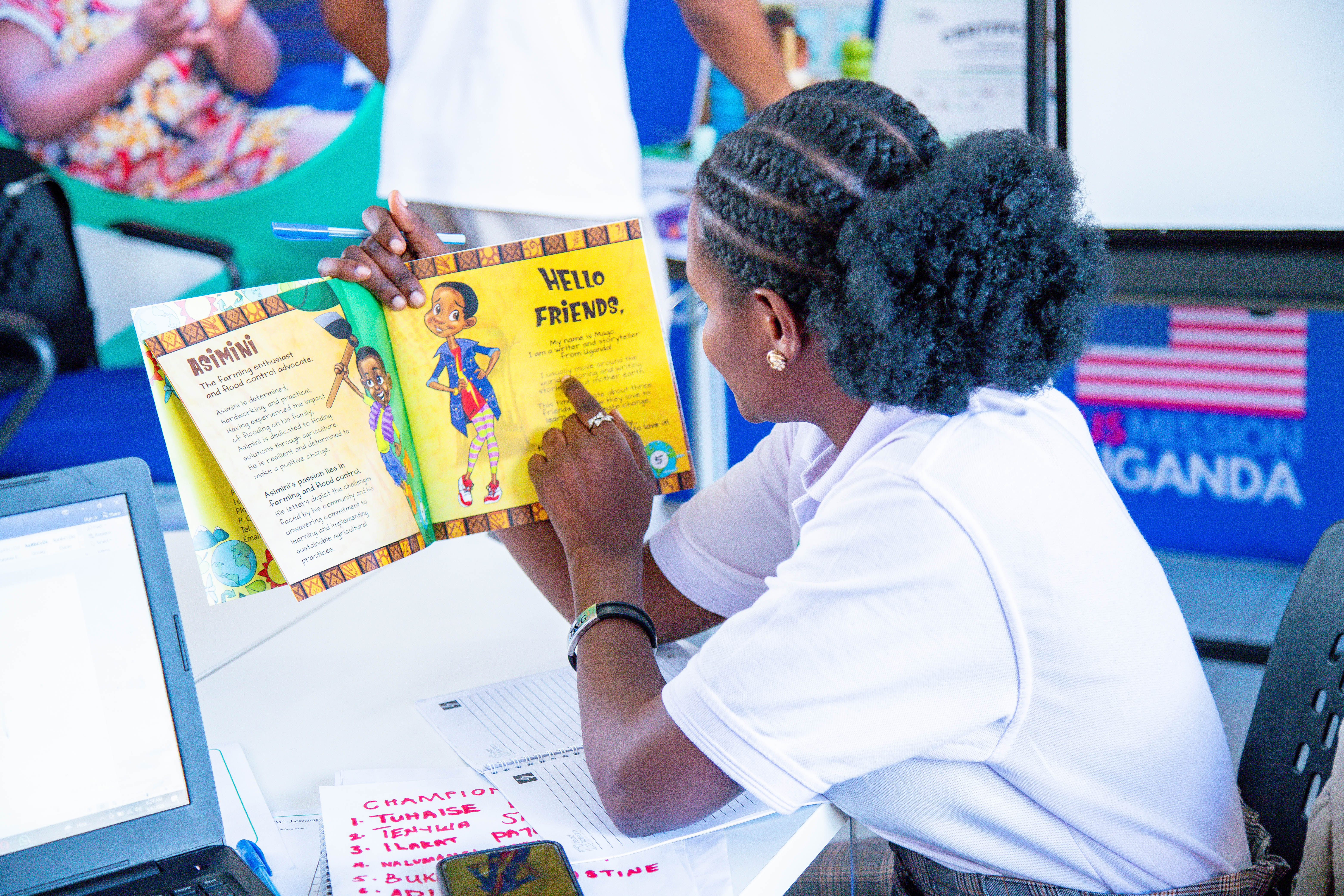
Because of the lockdown, Mago could no longer work in her corporate team-building role. So she turned to her love of literature and started to write children’s books. But unlike the imported books available in local libraries, Mago’s stories reflected and revered children who grew up like her.
“All I wanted was to write books where children would see themselves in the stories and have them beautifully illustrated,” she said.
“I found that most kids had only read stories about white people. I wanted them to see that with your hair, with your African background, from your community, you too can be successful. You can be in a beautiful storybook like this.”
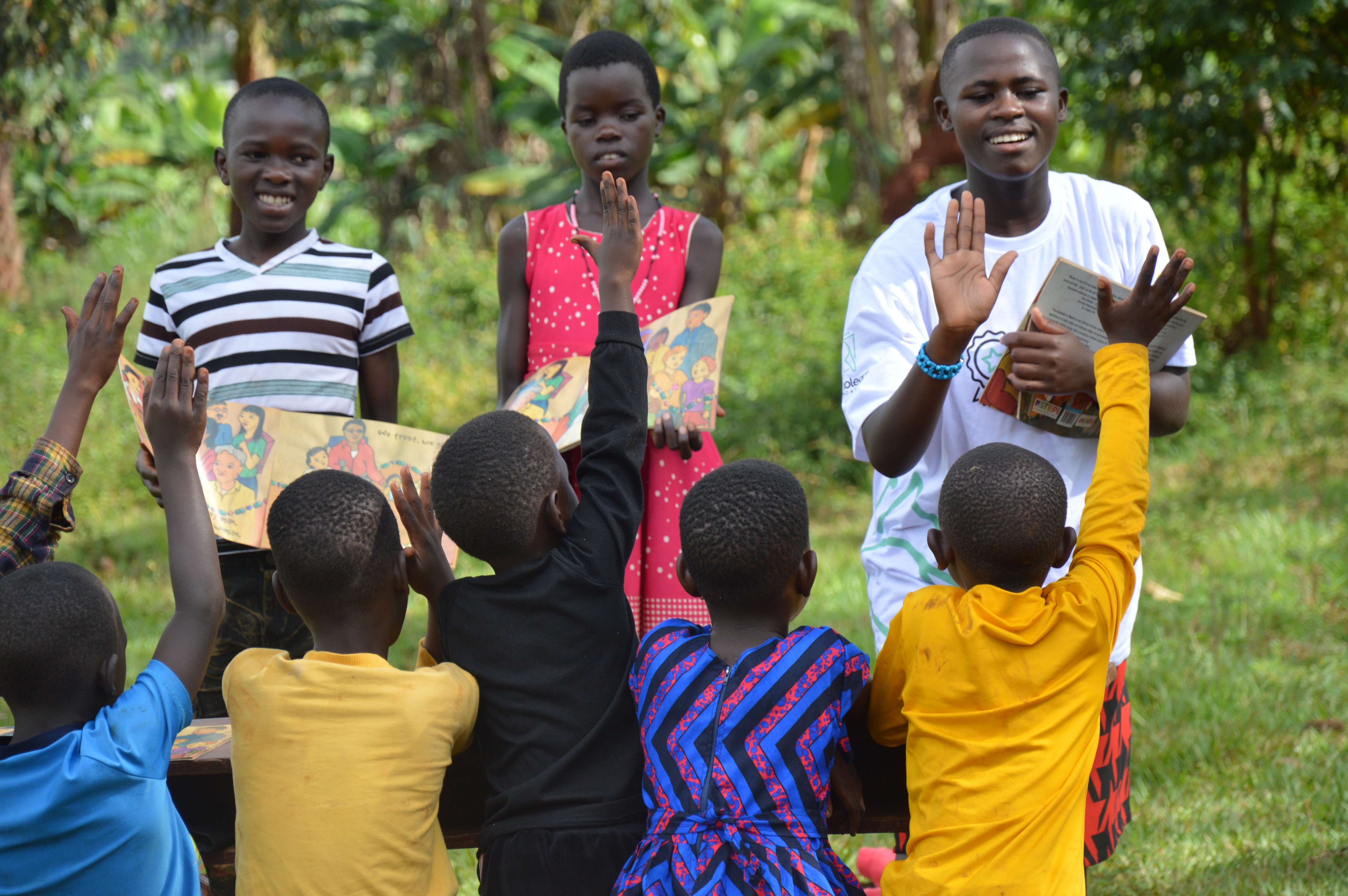
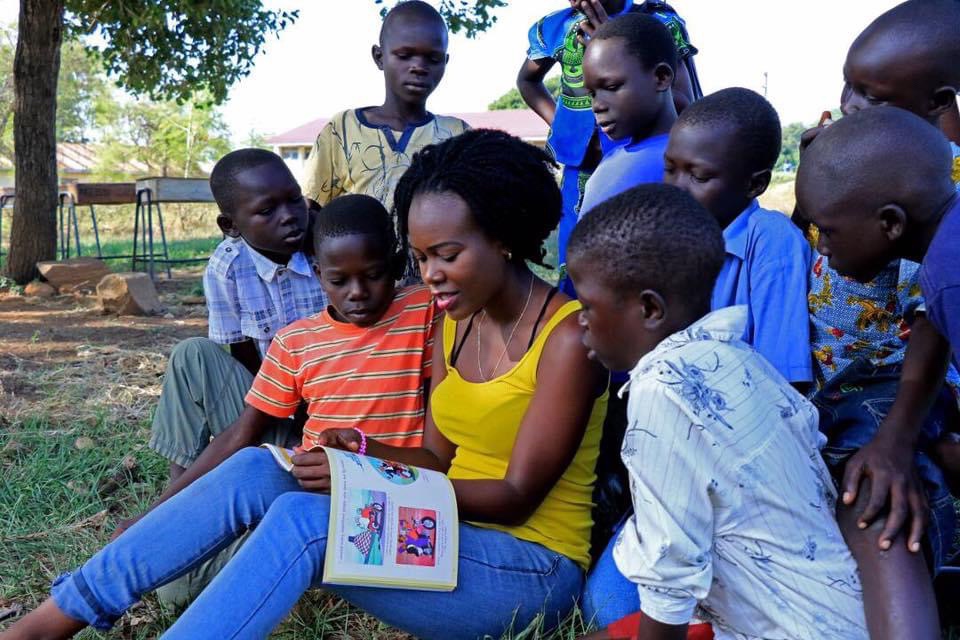
Mago invited children into her compound so they could read her stories together. As interest grew, she formed a book club and trained young people in the community to be her assistant teachers. Neighbors expressed interest in the books and she gave them away for free.
She shared short videos of her work online, which caught the attention of Global Fund for Children. The large U.S.-based charitable organization was seeking out grassroots organizations with growth potential that served vulnerable children. Read to Learn formally registered as a nonprofit, and with the support of Global Fund, nearly 300 children were regularly attending book clinics led by 35 youth literacy champions by the end of 2022.
But as the nonprofit continued to grow, now with an office and a team of 6, it became clear to Mago Hafsa that it was time to seek out alternative sources of income:
Mission drift: Donors often wanted to fund specific activities – such as building libraries – that didn’t align with Read to Learn’s broader aspirations.
Overhead costs: Donor funding was restricted to projects and didn’t cover essential overhead costs, such as salaries, rent, insurance, and other operational expenses.
Grant application burnout: “We were each submitting a grant a week,” explained Mago, a tradition known by the team as Proposal Mondays. “And all we heard back was ‘We regret to inform you…’ I knew this couldn’t keep going. It was out of our control if people wanted to fund us. But it was in our control what products we could put on the market.”
Mago knew there was demand for affordable, high quality, and culturally appropriate storybooks in Uganda. In contrast to the European fairytales and other Western stories that dominated local libraries, Read to Learn’s stories addressed topics that were relevant to local children, such as life in a refugee camp or discrimination from albinism.
“Schools wanted the books,” she said. “Parents wanted the books. We were giving them out. Yet [as a nonprofit ethically] we couldn’t sell them.”
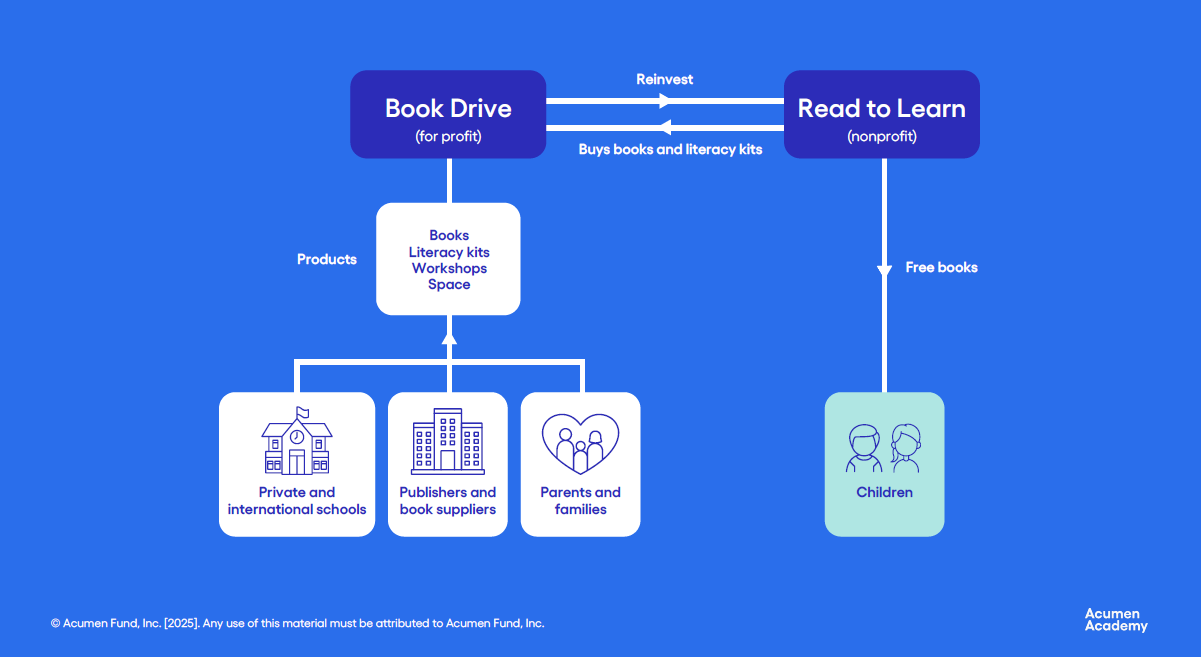
→ This sparked an idea: The organization would split into nonprofit and for-profit entities. Read to Learn would continue to manage the core literacy programs and raise charitable funding to focus on underserved communities, while Book Drive would build a profitable business model focused on selling the original storybooks and contribute a share of its revenue to the nonprofit.
How Read to Learn and Book Drive’s cross-subsidization model works
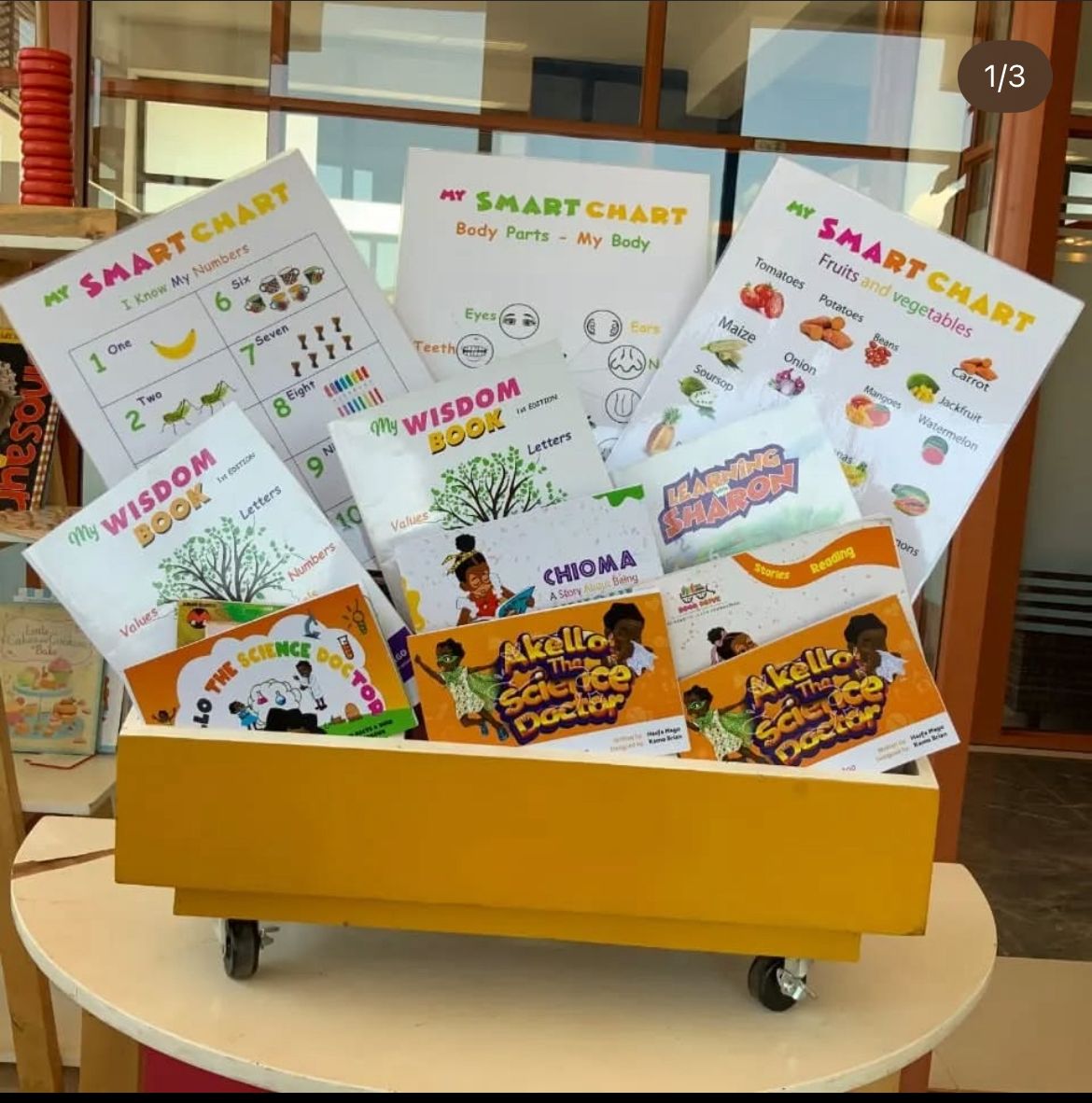
Book sales: Book Drive writes, illustrates, and publishes original storybooks, and sells them to local families, international and private schools, and publishing houses and school book suppliers across East Africa. The books are translated and localized for different countries. Read to Learn also purchases the books and materials for its charitable programs directly from Book Drive at a discount.
Monetizing unused space: When Read to Learn closes for business on Fridays and Saturdays, the unused office space is opened to the public as a children’s library. In exchange for a subscription fee, wealthier families can access books and educational materials like flashcards. The original storybooks are featured prominently to drive demand from parents and the children’s schools.
Workshops for children: The team delivers lessons on creative writing to international and private schools. The students’ custom books are designed and printed for a fee and released through the Book Drive Store.
Recycled products: Book Drive employs community members from centers where Read to Learn works to manufacture educational toys made of recycled plastics and sells them in its store.
After 2 years of testing and iteration, Book Drive is now earning enough revenue to cover all of Read to Learn’s overhead costs that are excluded by grant funding. The cross-subsidization model has created a virtuous cycle between business outcomes and impact.
Key challenge deep dive
Shifting from a cultural grant dependency to financial sustainability
“When I started my nonprofit library, my mission and mindset was to provide the books for free,” said Mago. “That was something I’ve had to navigate as the head of the organization.”
She explained that when she opened the Book Drive Store, parents would ask for discounts or approach her with excuses for why they couldn’t pay. Every time, she would agree.
“We were making loss upon loss, and the losses were because of me,” said Mago. “The team told me, ‘When you’re not there, these parents actually pay!’ I had to change my mindset and explain to parents that if they wanted us to sustain, we needed to stick to those prices.”
Getting the unit economics right
Instead of reselling children’s books that were commonly available from competitors, Book Drive decided to exclusively sell its original books that filled a gap in the market. The team was confident in the quality of their books and assumed that customers would naturally follow.
Yet sales of the original storybooks, then priced at 32,000 Ugandan shillings ($9), were initially slow. When the team interviewed customers, they heard repeatedly that the books were high quality, but the prices were too expensive.
To bring down costs, Book Drive took the following steps:
They invested in their own printing equipment so they wouldn’t need to pay a premium to outsource.
They employed university students as writers and illustrators and incorporated AI tools.
They focused on high volume orders from NGOs and other distribution partners to lower the costs of production.
Following these cost reduction measures, Book Drive was able to bring down the price of its original storybooks to between 8,000 and 15,000 Ugandan shillings ($2.25–4.25), which is competitive with other children’s books in the market.
Upskilling and hiring for business
After Book Drive launched, two staff members were struggling to adjust. Accustomed to writing reports and applying for grants at their desks, they were now required to speak with customers and make sales in the field, and they were frustrated.
In response, Mago created a commission structure so that individuals would earn more with every sale and client they brought in. Eventually, the staff members embraced their new roles.
“That was one of the hardest things, when your team doesn’t believe in what you’re doing,” she said. “It breaks your heart when the people you work with don’t see the bigger vision. But now [those employees] bring in the biggest contracts.”
Closing reflections
Staying mission aligned and bringing stakeholders on board
When Mago presented her idea to launch a for-profit business, she was met with resistance. Some board members expressed concern, with one questioning whether the approach aligned with their mission and another wondering if it placed too much emphasis on revenue.
But the dual model of Read to Learn and Book Drive has worked because both organizations are focused on a shared vision: childhood literacy and education.
“We’ve had people at the recycling center ask us, ‘Why don’t you produce furniture?’” said Mago, referring to the center where Book Drive’s educational toys are produced. “But I said no: Because our mission is literacy, we have to innovate in that line.”
This sharp focus has continued to present opportunities for expanding the business. For example, the Uganda National Association of the Blind recently approached Book Drive to produce books in Braille for children who are visually impaired.
“It wasn’t that I was chasing money,” said Mago. “I was looking for a revenue model to sustain us long term. And now [that board member] is the biggest supporter of the Book Drive Store.”
Creating a safety net for an uncertain fundraising landscape
With the additional revenue from Book Drive, Read to Learn’s team is finally being paid the salary they deserve, Mago said. They have better laptops, improved offices, and increased productivity and morale. At the same time, the earned revenue stream has allowed the nonprofit to say no to funders who aren’t the right fit.
“There were instances [before] where I compromised,” she explained. “There are funders who just want us to distribute storybooks. But that isn’t our mission. Now, we want to train the teachers and offer support. We want to work with a school for three years.”
More recently, the earned revenue has helped Read to Learn whether the unprecedented changes to the fundraising landscape that took place in 2025. After being awarded a USAID grant of $200,000, Read to Learn unexpectedly received an email stating that the grant had been cancelled. It was only Book Drive’s revenue that kept the nonprofit afloat.
“If we hadn’t put a revenue model in place, honestly, we would have closed Read to Learn this year,” Mago said. “Every nonprofit needs to find what their [path to] sustainability is. Otherwise, anything can happen in the nonprofit world.”
Does your nonprofit rely on a particular source of funding? What would you do if it unexpectedly disappeared?
Key takeaways
Anchor earned income in mission and proven programs: Build revenue streams that grow directly from what your organization already does well. When business activities align with your mission, they reinforce credibility and impact rather than distracting from them.
Get the unit economics right: Balance affordability, production costs, and value. Sometimes this requires investing in efficiencies, finding the right talent, or adapting pricing so that products and services are both accessible and financially sustainable.
Anticipate and manage resistance: Expect skepticism – from staff, leadership, board members, or even beneficiaries – when introducing earned income. Overcome this through clear communication, persistence, and by demonstrating how the model strengthens long-term mission impact.
Remember the benefits during the set up phase: A successful earned income stream can help you weather the loss of donors or changes in the fundraising landscape and inspire innovative ways of serving your audience.