The problem
For a social enterprise to secure its first institutional funder—such as a foundation, corporation, or government body— can be overwhelming.
Without experience, it can be difficult to find the right investors, become investment ready, or develop strategies to attract significant investment.
Why it matters
Learning from the experiences of others provides valuable insights into what it takes to secure the right funder. By understanding proven strategies and approaches, social enterprises can overcome challenges, attract the right partners, and achieve sustainable growth.

Sehat Kahani
Learn how Sehat Kahani stayed true to their values and aligned investor interests with their goals.
ReCircle
Discover how ReCircle's patience, persistence, and iteration secured investment despite limited investor interest in the circular economy and sustainability space.
Sehat Kahani
In Pakistan, women outnumber men in medical schools yet over half leave the profession after graduation due to societal pressures to prioritize family over careers.
Herself a Dr, Sara Saeed Khurram began reflecting on the untapped potential of women doctors confined to their homes and the critical lack of healthcare for Pakistan’s underserved populations. With nearly half of the population lacking access to care and only 28% of women receiving prenatal care, Sara saw an opportunity to address both issues by enabling skilled doctors to work remotely while serving those in need.
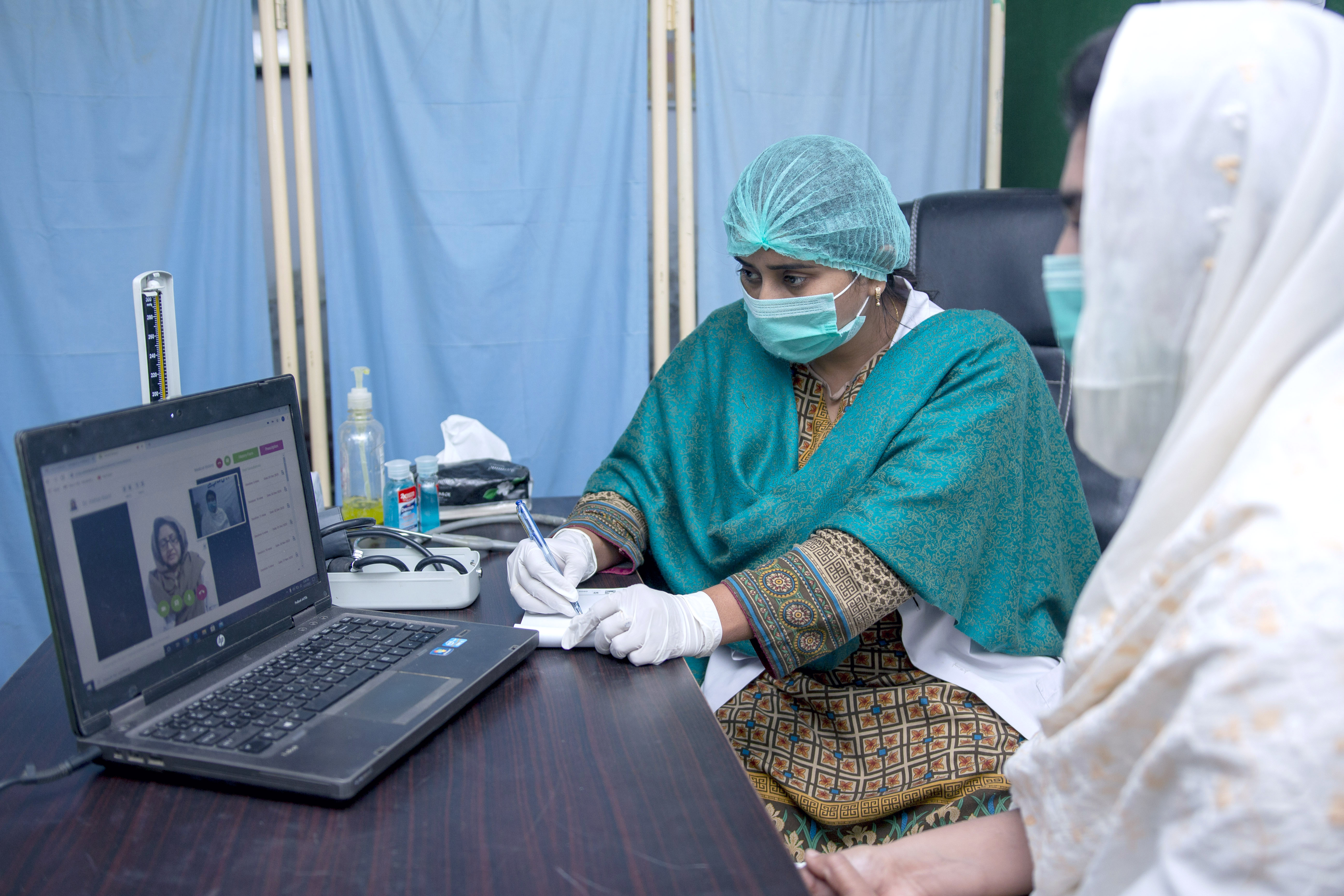
Sara founded Sehat Kahani to connect women doctors with underserved patients across the country, particularly low income communities, through telemedicine. The organization operates telemedicine clinics where nurses assist patients on-site while doctors consult via video calls along with a mobile app that provides the same in urban areas. This model bridges the gap in healthcare access while providing opportunities for over 7,500 women doctors to work from home.
Today, Sehat Kahani is Pakistan’s largest digital health provider, with clinics in all four provinces and a leading presence in corporate telemedicine services via its mobile application.
Overcoming challenges in fundraising to land a first investment
Between 2016 and 2018, Sara and her co-founder bootstrapped Sehat Kahani, using funds obtained via startup competitions and small grants to cover research, HR, and development costs. Despite limited startup funding options in Pakistan, they launched a network of clinics offering consultations in low-income areas, supported by small grants, competitions, and social impact awards.
“I was raising money for a social enterprise with only a network of clinics for low-income areas where a woman doctor sitting at home was providing consultations to poor patients. So obviously it wasn't the most commercial investor-friendly concept then,” Sara explains.
Realizing the need to expand beyond physical clinics, the team envisioned a digital solution. They set out to develop an app and, between 2018 and 2019, pitched for a $500,000 seed round, overcoming challenges like low valuations and steep equity demands.
By 2020, they had secured their ask of $500,000 through a mix of equity and grants.
Later in 2020, the seed funding combined with a surge in demand due to the COVID-19 pandemic accelerated Sehat Kahani’s growth, and they went on to raise $1.2 million in a pre-Series A round, marking a pivotal milestone for the company’s expansion.
Sehat Kahani’s lessons on becoming investment ready
On her journey to making Sehat Kahani ready for investment, Sara learned three key lessons that helped grow the company’s capacity to land the right investors and the right pitch.
Finding investors that align with the vision
“A lot of people tell me when pitching to commercial investors, ‘Hide your clinics because that seems like a sappy, sad thing on the side. Just pitch the app, which is very profitable and it makes a lot of money.’ But we made the decision that it all goes together.”
After facing criticism, low valuations, and unreasonable equity demands, Sara and her team created their own values checklist—outlining key criteria and goals to identify the right funders and pitch the right message.
“When we’re pitching for the first time, we pitch everything, and then we understand within the conversation if they would be interested or not. A lot of times investors don't come back, or they don't connect with us again because we're not the right fit for them, or they're not the right fit for us, which is fine…but we'd never adapt [our business model in] a pitch to an investor.”
Learning on the go, and leaning on community
Sara had no formal background in business, and relied heavily on her community of friends and advisors (and leaned on feedback from investors themselves) to build the company into a credible, investment-ready business.
She joined an accelerator program in Pakistan that guided her in creating a business model for Sehat Kahani and shared it with a few advisors who helped refine and polish.
“I've had a lot of advisors that have advised us,” she says. “How can we take this feedback, incorporate it, and make the document better?”
Upon entering their second investment round, Sara began receiving calls from potential investors asking for a “data room.” She received a checklist from one of their advisors, and got to work creating a data room for Sehat Kahani. Sara was learning on the go, but by the time Sehat Kahani came to their Series A round, the company was well prepared.
“We worked on these documents, made the whole folder, and started sharing it over time. Then, as more investors came in, they kind of helped refine things for us. When we started talking to investors, we had the data room ready. We had all the documentation in place. We had the audits done. So by the third time around, I think we were very polished in terms of raising money from credible investors.”
Build a Q&A bank to learn from experience and gradually strengthen the answers you give
Initially, Sara often confronted questions from potential investors for which she did not have a clear answer, but she learned the importance of taking the time to reflect on these questions before giving a response.
To stay prepared, the Sehat Kahani team has a master document with all the investor questions they’ve come across throughout their journey. As more questions arise, they add them in and review these questions before each investor meeting to ensure they can answer them.
These lessons taught Sara a lot about Sehat Kahani’s goals and needs over time, as well as about the types of documentation and questions investors typically ask about. By leaning into these experiences, Sara built Sehat Kahani’s capacity to become investment ready.

What strategies do you use to prepare for investor questions? How do you approach following up with answers when needed? If you do have strategies in place, how can they be improved? If you don’t, what steps can you take to get started?
ReCircle
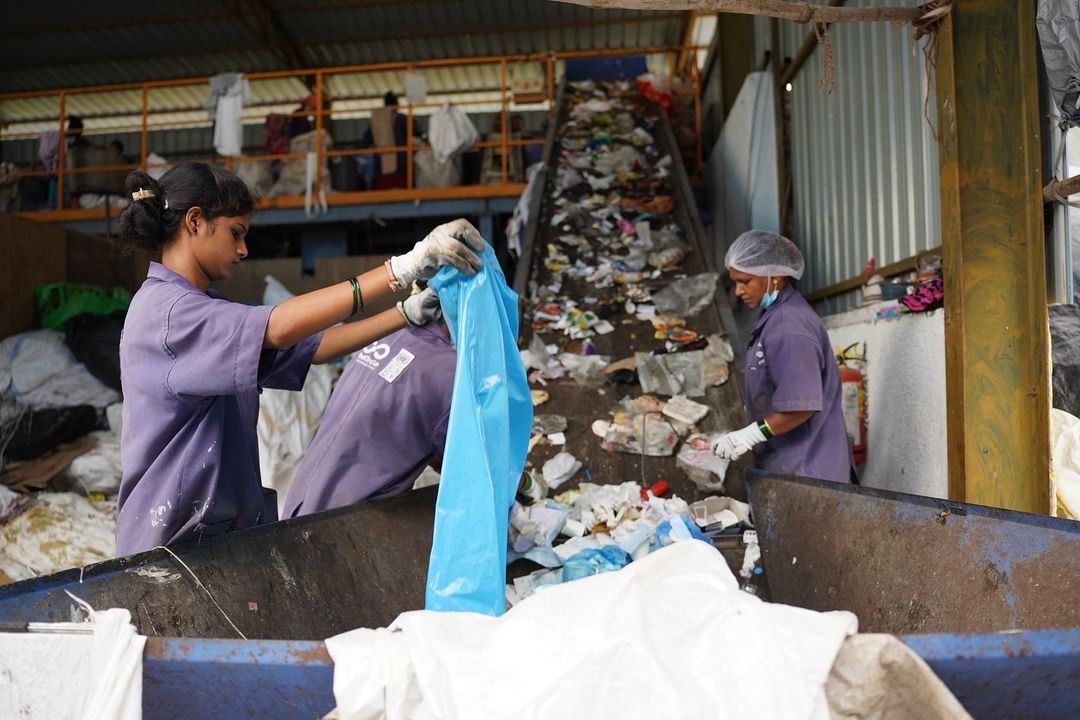
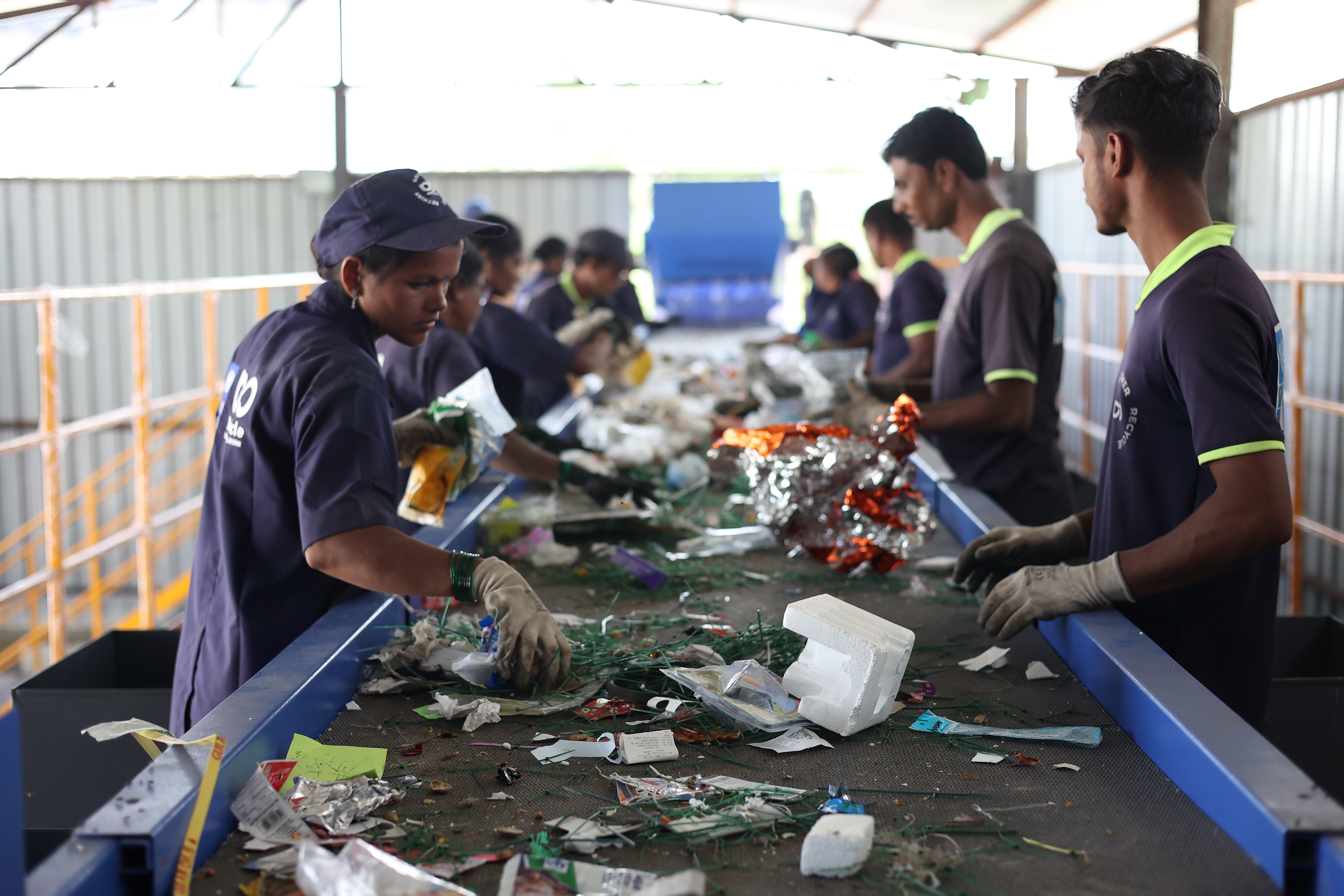
Every day millions of people in India pick through refuse in search of salvageable scraps and recyclables. Known as Safai Saathis, they play a vital role in the country’s waste management system, yet their work status is informal, their pay grade is low, and their output is ultimately insufficient. Shockingly, despite generating more plastic waste than most economies in the world, India has to import plastic waste from other countries to feed its domestic recycling industry due to inadequate waste retrieval.
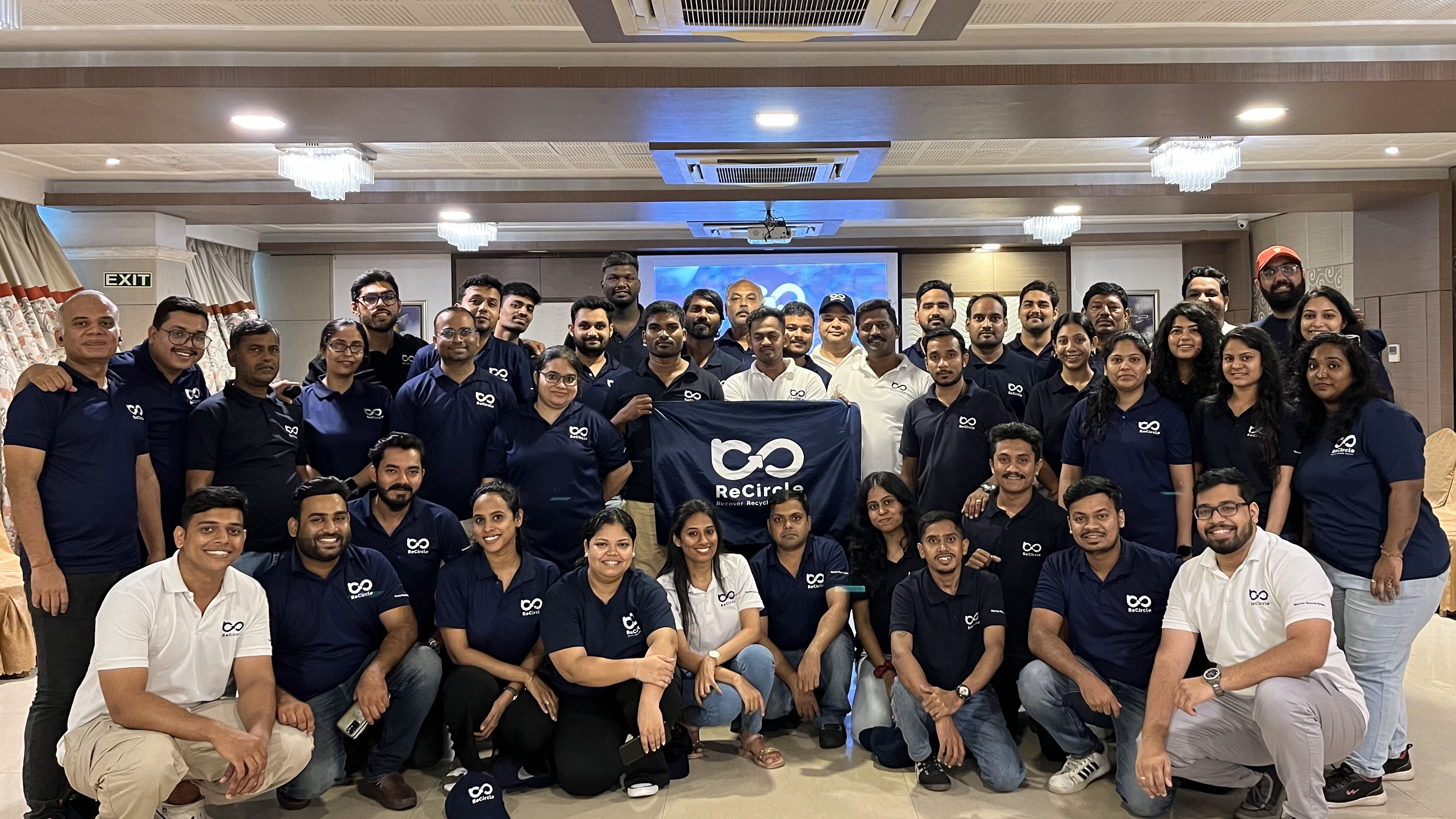
To tackle this, Rahul Nainani and Gurashish Singh Sahni founded ReCircle, a resource recovery enterprise revolutionizing waste management through digital technology. By leveraging apps, data analytics, and transparent tracking systems, ReCircle formalizes and optimizes waste collection while empowering marginalized workers.
Since its launch in 2016, ReCircle has diverted over 169,000 metric tons of waste from landfills and oceans. Its innovative model enables global brands to offset their plastic footprints by purchasing plastic credits, which fund incentives for recyclers, collection centers, and Safai Saathis.
Patience, persistence, and iteration
Preparing for investment requires persistence, patience, and a willingness to iterate ideas — a lesson the co-founders of ReCircle discovered as they pivoted, bootstrapped, and adapted their business model to attract investment.
Rahul and Gurashish first explored their ReCircle idea in 2015 during a business ideation competition run by Google. After months of research, they shifted and refined their focus:
“...we were looking at how we can solve the [waste] recovery problem. What we realized is [the problem is] not the amount of waste, but rather, how to get good quality waste material to reach the right processing centers,” says Rahul.
In 2016, they launched a B2C model, funding the business through personal savings and family loans. Between 2016 and 2018, they pivoted several times, all while bootstrapping, learning the ecosystem, and pitching for funding.
“Sustainability and circular economy as a sector is a big buzzword in the market. These terms did not exist back in 2016 so getting people convinced about the idea was very, very hard in terms of finding investments in the space itself.”
By 2018, they shifted to a B2B model to build a more profitable economic framework that could also appeal to funders. As concepts like theirs gained recognition, they secured a small angel investment in 2019 and their first grant, which allowed them to experiment and grow.
In 2022, as participants in an accelerator program, ReCircle secured a five figure funding award from an impact investor, which proved catalytic in attracting more investors from that same network. “Before this, we must have pitched to maybe over 100 investors that have said no or passed us.”
By 2023, ReCircle had secured funding from three investors and closed their first equity funding round with a six figure investment.
Rahul and Gurashish’s willingness to refine their idea and shift their business model allowed the co-founders to experiment, iterate, and grow. In doing so, they gradually proved their model and built credibility to secure investments as investor interest in sustainability and circular economy expanded.
ReCircle’s lessons on becoming investment ready
Throughout their journey, the ReCircle team learned two key lessons about becoming investment ready: understanding investor criteria and preparing for due diligence.
Understanding each investor’s criteria for investing
During their first several years of fundraising, the ReCircle team would reach out to any investor that would talk to them. But as they grew their idea and refined their business model, their outreach to funders became much more targeted, which helped the team save time and resources, identify the right funders, and prepare for potential investment.
“We don't want to talk to all investors that are in the ecosystem. We want to talk to investors that specifically meet our sector, our stage, and ticket sizes, because if you talk to a VC that does $5 million check sizes, but you're raising half a million, it's going to be a waste of both your time. You need to understand which stage you are at, and the stage the investor would like to fund.”
Preparing for a lengthy due diligence process
The ReCircle team was surprised to discover how long it takes between securing funding and actually getting the money in the bank.
“From the time you get a term sheet to when you get the money in the bank, it will take anywhere between 6 to 12 months. It's a long, painstaking process,” says Rahul.
But he learned two helpful strategies along the way:
Prepare for due diligence: Having your house in order in terms of financials, data, and other key components funders will look at can help expedite the process.
Find experienced support: Especially for first-time founders, it helps to have someone on your side who has done this process before. This can help ensure the terms aren’t overly biased toward investors, as initial drafts—like a Shareholder Agreement from an investor—are often one-sided.
"Having someone who understands the terminology and has experience can make the process less intimidating, especially when negotiating with legal teams. This kind of support is crucial for managing paperwork, balancing terms, and ultimately closing the deal effectively.”
Like ReCircle, many first time fundraisers are caught by surprise by the due diligence process. What do you know about due diligence, and what can you do starting now to prepare and become more ready for the fundraising process?
Recommendations for becoming investment ready
Sara and Rahul share their tips for becoming investment ready.
Sehat Kahani | Re Circle |
|---|---|
Define your values to find the right investors Learn on the go, lean on community Create a Q&A bank to refine and improve your answers | Know each investor's criteria Prepare for due diligence Find experienced support to help navigate legal questions and negotiate your points |
Key takeaways
Aligning with the right investors: Clarity in goals and objectives serves as a crucial starting point for investment. Clearly defined impact and financial outcomes alongside an aspirational vision should match the interests of the investors.
Persistence in finding and connecting: Successfully connecting with investors requires patience, persistence, and a willingness to iterate.