How it started
Over 1.5 billion people globally lack access to electricity. Most households rely on fossil fuel-based kerosene lanterns and candles to meet their lighting needs. These sources of light are dangerous, low quality, and expensive.
d.light, co-founded by Sam Goldman and Ned Tozun, is a social enterprise providing affordable, quality, solar lighting and other solar solutions for low-income households.
At first, Sam and Ned focused on creating an affordable, high-quality solar lantern to meet the needs of low-income customers. However, despite thorough research and validation, d.light struggled to convince customers to buy it.
This perplexing scenario caused Sam and Ned to take a step back: they pivoted their attention towards understanding the hesitation to buy their lantern. After identifying customer skepticism for solar products as a reason, they devised a sales and marketing plan to build trust and increase product adoption.
The problem
Over 1.5 billion people globally lack access to electricity, many of whom rely on dangerous, low quality, and expensive fossil fuel-based kerosene lanterns and candles to meet their household lighting needs.
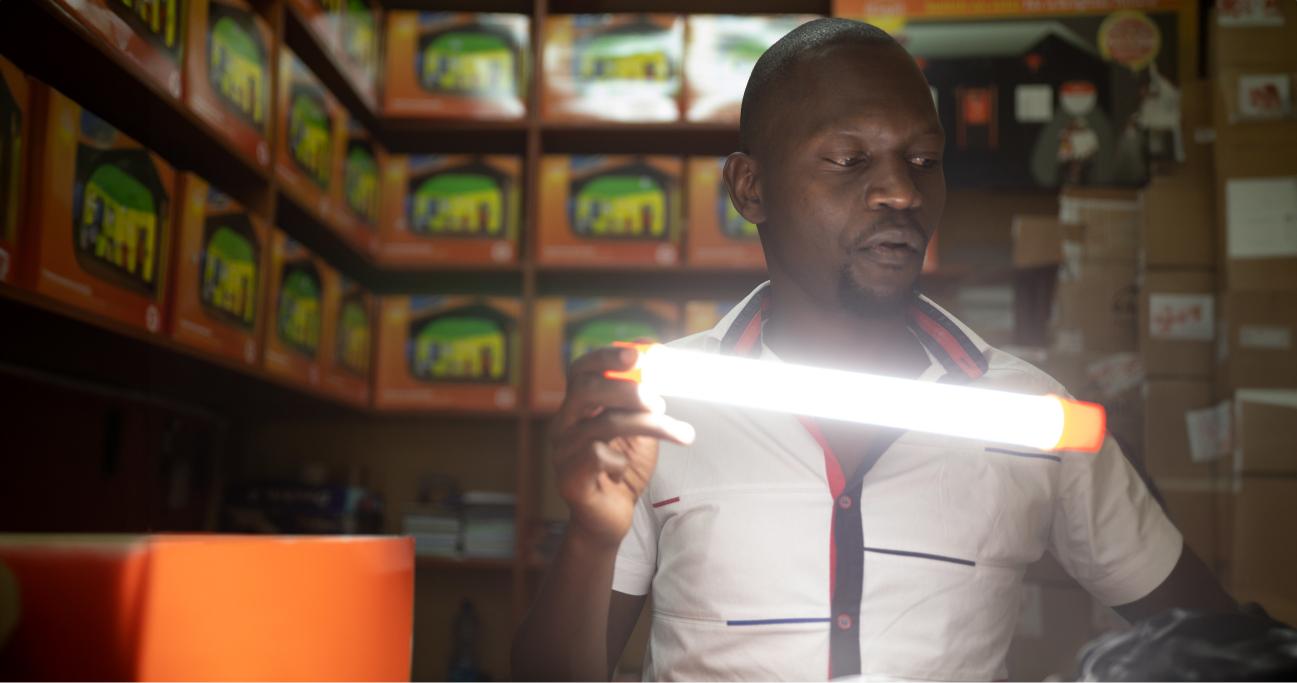
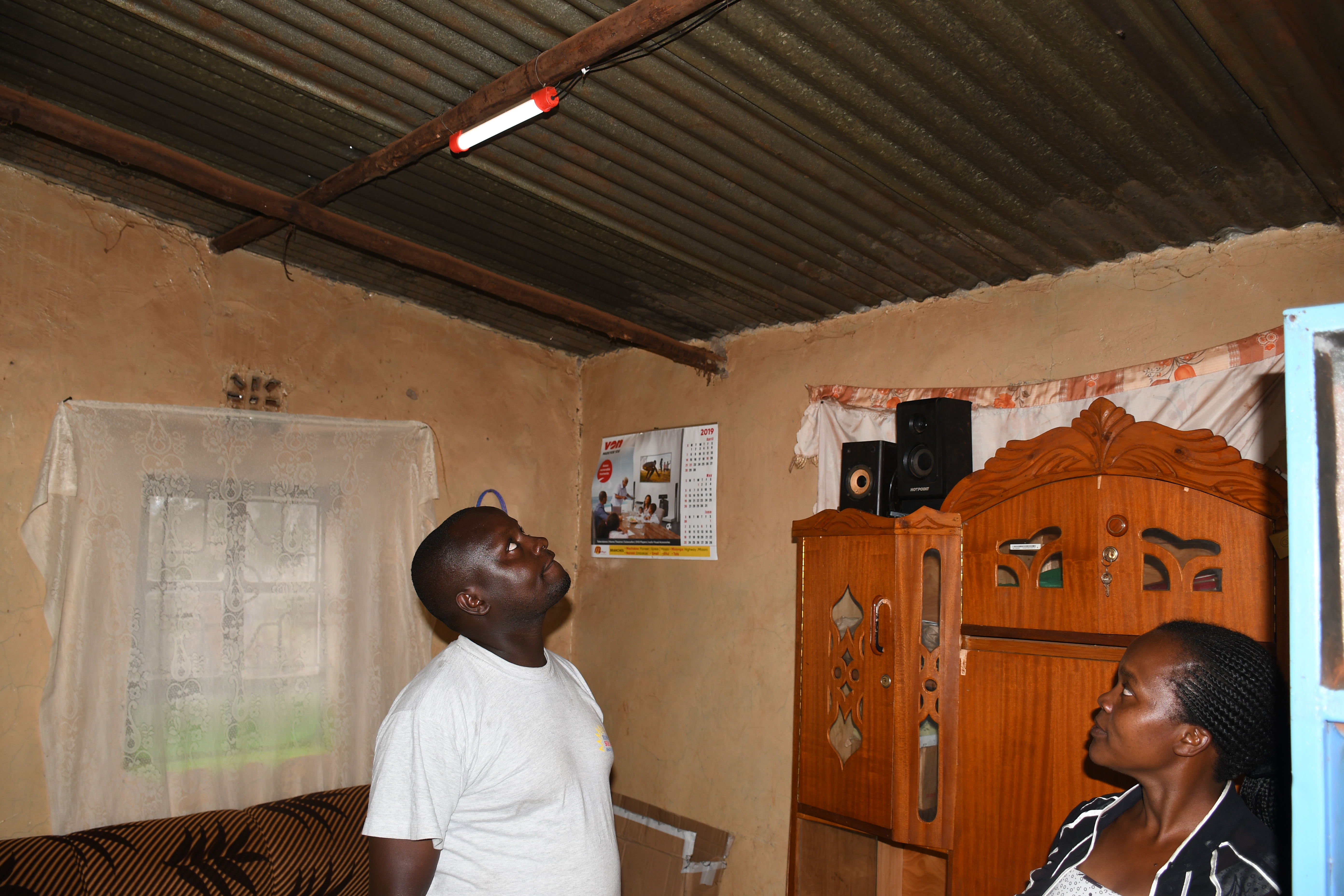
To bring affordable, clean energy to low-income customers, d.light created a solar-powered lantern that is brighter than kerosene lamps or candles and lasts hours.
What they discovered
While they had a great product, customers still felt a deep sense of distrust and skepticism due to similar solar projects that failed to live up to expectations.
To combat this consumer sentiment, they sought to further understand customer buying decisions at the local level by building trust.
This materialized as a loan program to students for their exams, as well as a generous product warranty program that differentiated them from competitors.
Why it matters
d.light took the time to understand the pain points of their target customers and built goodwill within the community.
Their product loan program to students turned into a word-of-mouth campaign that resulted in a 70-80% adoption rate amongst families who needed lights.
They then hired local talent and partners who deeply understood community nuances to help continue to grow sales throughout the region.
New insights lead to new ideas
The d.light team knew they had a great solution. They had done market research and customers loved their product once they’d used it; the light was brighter than kerosene lamps or candles and would last hours. But the team soon realized they needed a different type of customer insight. They needed not just information about how the problem impacted their target customers, but also an understanding of how they make spending decisions and evaluate new products.
They discovered that customers felt a deep sense of distrust and skepticism because they had become used to solar products that failed to deliver. They didn’t trust d.light because they didn’t know the brand or understand how solar technology worked. They’d been repeatedly disappointed by other brands who claimed to deliver a similar solution.
They also had to overcome the negative reputation left by other solar products. Sam and Ned realized that to earn customer trust and drive adoption, they needed to give people the chance to experience the solar lanterns firsthand before expecting them to believe in the sales pitch.
Sam explained “They didn’t really believe our sales pitch until they experienced it themselves.”
What methods can you use to understand your customers better?
Do you have gaps in customer insights that would require you to learn more about them?
How can these insights lead to new ideas or solutions to encourage your customers to adopt your product?
From trial to purchase
It took Ned and Sam time to find an approach to demonstrate their product in a way that led to purchases.
They eventually found one trial was very successful: loaning lights to students during exams. Ned noted this approach “got awareness out in a community without positioning the product as a handout… [and afterward] we found that 70 to 80 percent of the families would buy the light.”
Once customers used the solar lanterns and found them useful, positive word of mouth began to drive organic growth1. d.light began to see greater product adoption across its target communities.
To boost customer confidence, d.light began offering a warranty on their products, at first for six months. Later, they launched a two-year warranty on all of their products. This strategy differentiated d.light in the market and gave customers the confidence to make purchases.
Ned explained, “We launched an industry-leading two-year warranty on all of our products, which is unheard of in the world of low-cost portable solar lights.”2
The warranty proved to be a key differentiator in the market and helped lessen risk for low-income consumers.
1 Stanford Global Health Innovation Insights Series: D.LIGHT III: Building Credibility and Trust
2 Stanford Global Health Innovation Insights Series: D.LIGHT III: Building Credibility and Trust
Partnering with distributors
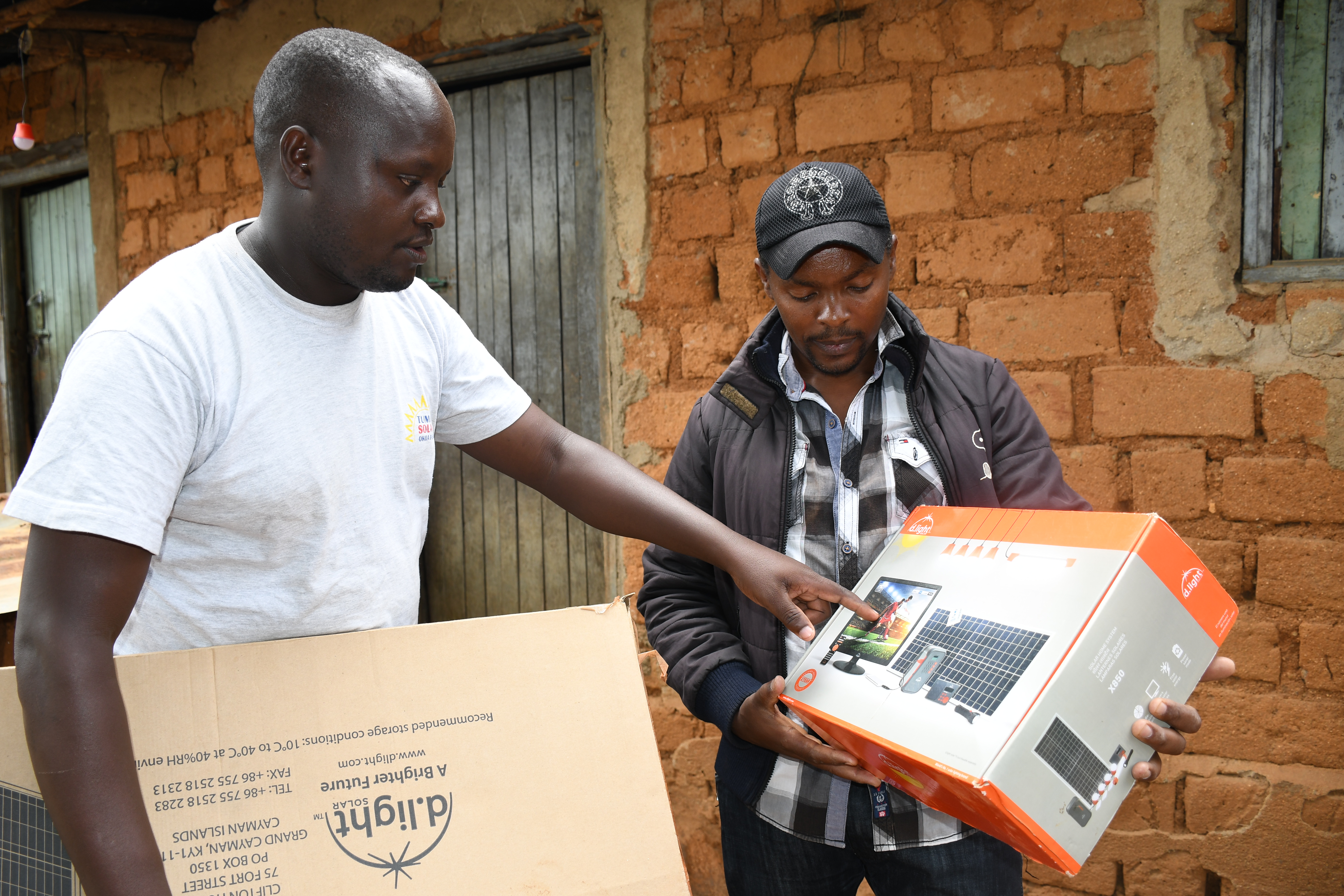
To get their solar lanterns into the hands of more customers, Sam and Ned knew they had to find distributors that would instill trust in the product. They found distribution partners who had long-standing reputations in their communities. These trusted partners could position d.light’s product in ways that built confidence among customers.
Ned explained, “customers don’t trust d.light yet, so they have to trust our distributors.”3
These well-regarded distributors could serve as ambassadors and encourage new customers to try d.light’s products. But even these distributors were skeptical of d.light at first. Through networking and persistence, d.light managed to build their confidence.
3 Stanford Global Health Innovation Insights Series: D.LIGHT III: Building Credibility and Trust
How are you working to build trust and establish the credibility of your brand and product?
What roles do sales and distribution partners play in your strategy?
Recruiting local agents
In addition to the successful retail sales channel, Sam and Ned sought another way to build customer trust and create an income opportunity for local community members by their own network of agents in rural communities who sold d.light products on commission.
This distribution team not only helped with sales, but quickly became an important part of d.light’s after-sales and customer retention strategy. Team members lived in the rural communities alongside customers, which helped build trust and provide accessible customer support.
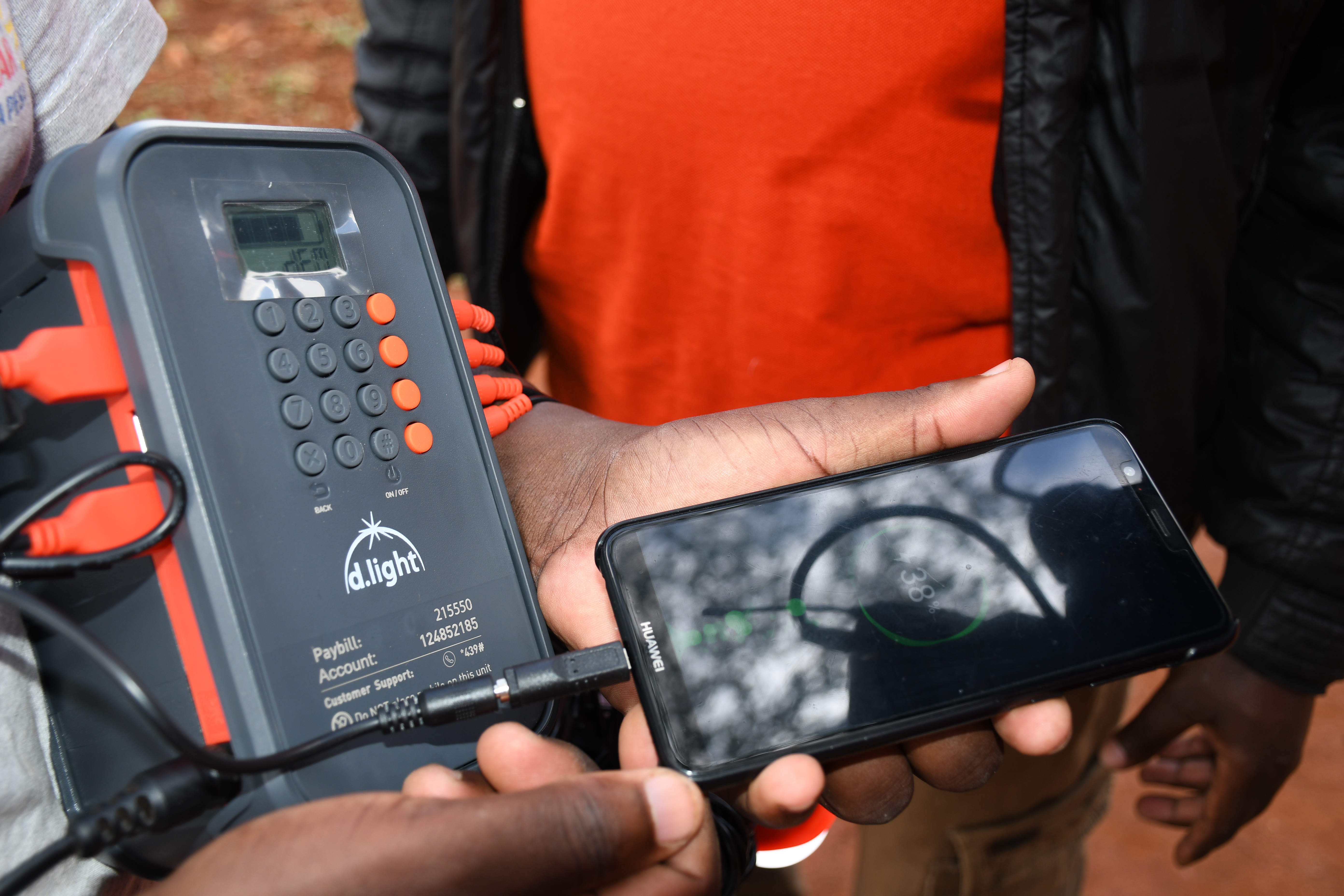
Today, d.light has grown its product line to include home appliances and full solar home systems. A key component of their scaling strategy was to build customer trust with their smaller and more affordable products before moving customers towards much larger products that need greater investment and commitment.
d.light is part of Acumen's investment portfolio, which focuses on helping social enterprises grow from seed to scale.
Key takeaways
Understand customers’ needs and behaviors, then gain insights into their market preferences and purchasing behaviors. Recognize that you might not be the first company promising to solve their problems.
Consider product trials to allow your customers to experience the benefits of your product for themselves before asking them to invest in a purchase. If successful, you may benefit from word-of-mouth referrals.
Find distributors who have established credibility with your target audience to help address skepticism.